

PFAS Settlements: How Testing & Reimbursement Mistakes Could Cost You
3.9.26
Local governments and public water systems across the country are moving quickly to complete PFAS (per‑ and polyfluoroalkyl substances, or “forever chemicals”) testing, compile data, and prepare claims for the 3M and DuPont PFAS drinking water settlements ahead of key deadlines. These settlements, which resulted from the Aqueous Film-Forming Foam multi-district litigation (AFFF MDL No.2873) against PFAS manufacturers, offer a combined total of over $14 billion to entities that detected PFAS in their drinking water sources. With billions of dollars still available for eligible drinking water providers, municipal and utility leaders must understand upcoming requirements to avoid losing significant funding opportunities.
Water providers are wise to take quick action. While the deadline to submit claims for the primary portion of the settlements, known as the “action fund,” is July 31, 2026, participants can potentially increase their total payouts by submitting additional claims to cover PFAS testing. Since settlement claims require testing data from each individual water source, testing costs can add up. However, time is running out to take advantage of this opportunity. Water systems have only until March 31, 2026, to submit testing cost claims. Missing this deadline means missing out on these funds for good.
When navigating the settlement process, several common mistakes can lead to diminished recoveries for water systems. Utilities and local governments can seek the best possible outcomes for their communities by being aware of these potential pitfalls—and how to avoid them.
Mistake #1: Assuming Your Water System is Ineligible for the Settlements
All public water systems in the United States serving at least 3,300 people are automatically included as settlement participants unless they formally opted out in 2023 by submitting the appropriate paperwork before the deadline. But, although water providers are automatically included as settlement participants, they will not automatically receive payments. In fact, if participants fail to submit complete, properly documented claims before the summer 2026 deadlines, they will not receive settlement funds, after having already waived their right to file future lawsuits against 3M and DuPont over PFAS drinking water contamination.
Under both the 3M and DuPont settlements, eligible participants were divided into two groups (or phases) to facilitate the claims submission and payment distribution process. Participants in Phase 1, which included systems that had detected PFAS in their drinking water sources prior to June 2023, have already begun receiving payments from their claims. Drinking water agencies that didn’t detect PFAS until after that date (and, for the 3M settlement, also serve more than 3,300 people) are eligible for Phase 2, and are subject to the 2026 deadlines discussed in this article. Under extenuating circumstances, some Phase 1 water systems that missed their opportunity to file claims may also be allowed to join Phase 2. Such systems should consult their legal counsel immediately for the best course of action.
Mistake #2: Relying Exclusively on UCMR5 PFAS Testing Data
In order to receive their allocation of the billions of dollars offered through the 3M and DuPont drinking water settlements, water systems must report the PFAS concentrations found at each individual wellhead or surface water intake. This provides a more comprehensive picture of a system’s PFAS impacts, as different water sources can have drastically different detection levels, even if they are geographically near each other.
Some settlement participants may attempt to reuse their PFAS testing results from the Fifth Unregulated Contaminant Monitoring Rule (UCMR5), a U.S. Environmental Protection Agency (EPA) program that required public water systems to test their drinking water for a list of unregulated contaminants, for their claims. UCMR5 included testing for 29 different PFAS compounds, but the data typically do not satisfy claims requirements because the samples were taken at the entry point to the distribution system—that is, where treated water, often mixed together from multiple sources, is directed towards households and businesses. This means additional testing may be needed in order to file settlement claims.
Mistake #3: Missing Deadlines to File Claims for Additional Funding
The claims process for the PFAS drinking water settlements is complex, with different deadlines for different types of claims. This can understandably lead to confusion for participants. When local government and utility leaders are planning their claims strategy, it is important to work closely with utility staff and legal counsel to ensure that all requirements are met within the specified timeframes. Missed deadlines can mean losing opportunities to recover funds.
March 31, 2026: Deadline to Submit PFAS Testing Claims
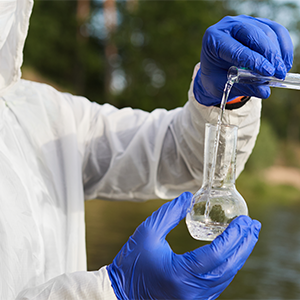
Water providers planning to add to their total settlement recovery by submitting testing claims will need to work on a much tighter timeline than those foregoing this additional funding opportunity. To file PFAS testing claims, systems must submit proof of testing and payment by March 31, 2026. Invoices or statements from the certified lab that completed the testing are necessary for this purpose, as are the lab reports showing the results of this testing. While systems can continue testing and compiling data for their action fund claims until the deadline in summer 2026, the costs of testing performed after the testing claims deadline of March 31 will not be eligible for reimbursement. Depending on the number of water sources and samples taken from a system, this can result in a significant loss of potential funding.
PFAS testing claims payments are calculated differently for the DuPont and 3M settlements. The DuPont settlement pays a flat $200 per water source tested, regardless of how much the water provider spent on testing. The 3M settlement, however, will pay up to $800 per sample, limited to the actual costs of testing. Many water systems test a single source multiple times using different testing methods, and some methods can be quite expensive. Large public water systems may operate dozens, or even hundreds, of wells. This means that total testing costs—and the reimbursement available—can add up quickly.
July 31, 2026: Deadline to Submit Action Fund Claims
Eligible settlement participants who submit claims by the July 31, 2026 deadline will be allocated payments according to a score based on the highest levels of PFAS detections and the size, in terms of both production capacity and production history, of each water source. In addition, a multiplier is applied to the score of any source that has ever detected PFOA or PFOS exceeding 4 parts per trillion (the EPA standards for these contaminants in drinking water) in a single sample. This is another reason why testing each individual source is so crucial: systems may detect a higher PFAS concentration in a single source, leading to an enhanced recovery.
Missing the action fund claims deadline could mean leaving significant funding on the table. Participants in Phase 1 of the PFAS drinking water settlements, such as the City of Corona, CA, and the City of Sacramento, CA, have recovered tens of millions of dollars, demonstrating that these settlements can be a worthwhile source of supplemental funding for local governments and utilities.
Mistake #4: Delaying PFAS Testing for Settlement Claims
Given the impending deadline for PFAS testing claims, as well as the action fund claims deadline just a few months later, it is a good idea to begin testing and gathering data for settlement claims as soon as possible. Because water systems nationwide will be rushing to complete testing ahead of these deadlines, and there are limited labs certified to perform the specialized PFAS testing needed, there is likely to be high demand for these services. If results cannot be received before the deadlines, water providers could even miss out on funds to which they may be entitled.
Help is Available for PFAS Settlement Testing, Planning, & Documentation
The 3M and DuPont PFAS drinking water settlements can be a source of substantial funding for local governments and utilities, but extensive testing and documentation must be completed by strict deadlines in order to receive payments. With billions on the line, public water providers can’t afford to miss out on this opportunity, but it can be challenging to complete all the requirements within the limited timeline, especially when precision and accuracy are crucial.
Water systems do not have to go through this complex process alone. By partnering with legal counsel experienced in water contamination litigation, systems can rest assured that their claims are completed optimally, leading to the recovery their communities deserve.


Our attorneys are licensed in various jurisdictions, including California, Illinois, Massachusetts, Michigan, and New Hampshire. Please refer to individual attorney bios for specific licensure.
This web site is designed for general information only. The information presented at this site should not be construed to be formal legal advice nor the formation of a lawyer/client relationship.