

Building Financial Resilience for New Jersey Municipalities
12.22.25
New Jersey municipalities are grappling with intensifying fiscal and operational pressures. Budgets are often stretched thin by competing priorities, from lead service line replacements to stormwater infrastructure. Meanwhile, some local governments also face financial uncertainty due to potential federal funding cuts or grant freezes. Some even worry that previously allocated funds could be rescinded for programs that are already in progress, leaving municipalities scrambling for alternative funding to avoid stalled projects. To build resilience in this environment, municipalities may seek ways to fill funding gaps while enhancing the quality and impact of public services.
In addition to traditional funding sources, local governments with detections of certain contaminants in soil or water have turned to litigation against polluting chemical manufacturers as a potential source of supplemental funding. When successful, these lawsuits can provide significant funds through settlements or, when necessary, trials. This can even help support budgets by reducing municipalities’ reliance on other financial resources to remediate contamination.
As PFAS Drinking Water Settlements Wrap Up, Additional Opportunities Emerge
Municipalities across the country have been suing polluting manufacturers for decades, and the historic 3M and DuPont PFAS (per- and polyfluoroalkyl substances) drinking water settlements are perhaps the best-known examples to date. These settlements offer a combined total of over $14 billion to entities that detected PFAS “forever chemicals” in public drinking water sources. Many settlement participants have now received payouts, which they can use to cover crucial projects without relying solely on rate or tax increases.
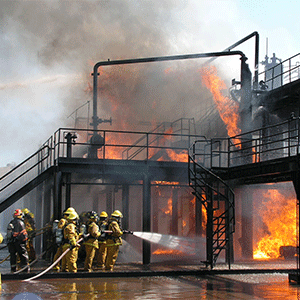
While the PFAS drinking water settlements have made front-page news this year, there are many more potential funding opportunities available. Municipalities that manage airports, firefighting training facilities, landfills, and wastewater treatment plants may have detectable PFAS in soil and/or water. While contamination has led to high costs and headaches for some cities, current and anticipated settlements and litigation may provide substantial funding—even if municipalities haven’t yet incurred any costs to manage PFAS.
Exploring Legal Funding Options for Other Contaminants
New Jersey municipalities can also pursue litigation over drinking water contaminants other than PFAS, such as 1,4-dioxane. Although 1,4-dioxane is not yet regulated in drinking water at the state or federal levels, the State of New Jersey has initiated the process to develop a maximum contaminant level (MCL) for it. Therefore, water providers with detections can reasonably expect that they will need to build costly new treatment systems in the future and it is unnecessary to wait for regulations to be imposed before pursuing legal action.
Although many municipalities have yet to incur any costs related to 1,4-dioxane, exploring legal options now can be a helpful strategy to build financial resilience. If and when water systems need to build treatment facilities to remove 1,4-dioxane from drinking water, those that have filed lawsuits against the manufacturers will already be on their way to financial relief. Also, funds acquired through legal action can reduce overall budget pressure by allowing municipalities to dedicate other resources where they are most needed.
Some municipal officials may wonder whether they should wait until they incur contamination-related costs before pursuing litigation as a potential funding source. While this is a common concern, particularly when regulations do not immediately require costly action, there is no need to wait. In fact, waiting too long may result in legal roadblocks due to statutes of limitations – the time limit in which harmed parties are allowed to file lawsuits against those responsible. Furthermore, by selecting a law firm that works on a contingency basis, fees will only be collected as a percentage of recovery. This means there is minimal financial risk to pursuing litigation, as there is generally no cost unless a favorable outcome is achieved for the client.
The challenges facing municipalities today will require a variety of solutions. By exploring various funding options, municipal leaders can build financial resilience while protecting their communities.



Our attorneys are licensed in various jurisdictions, including California, Illinois, Massachusetts, Michigan, and New Hampshire. Please refer to individual attorney bios for specific licensure.
This web site is designed for general information only. The information presented at this site should not be construed to be formal legal advice nor the formation of a lawyer/client relationship.