

A State-by-State Guide to PFAS Wastewater Regulations in New England
5.5.26
Across New England, states are pioneering models for state-level standards and enforcement of municipal wastewater regulations. However, each state is moving at its own pace and with its own strategy, leaving utilities and municipalities – especially those with interstate relationships – navigating a complex and shifting compliance landscape. Tracking these rules, planning for risk, and redesigning disposal programs can be a significant challenge.
This article provides a comprehensive update of PFAS regulatory developments across all six New England states, with a focus on wastewater impacts and how some utilities are addressing the rising costs of compliance.
Connecticut
Direct land application of sewage sludge was already illegal in Connecticut in 2024, and most sludge there is incinerated. However, pelletized biosolid-based fertilizers were permitted until October 2024, when An Act Concerning the Use of PFAS in Certain Products was enacted. Initially focused on consumer goods, the scope of this bill was expanded to include a ban on the use or sale of biosolids and wastewater sludge as soil amendments. The law applies to individuals, farmers, manufacturers and sellers and prohibits them from using, selling or offering to sell any biosolids or wastewater sludge containing PFAS as a soil amendment.
In addition to protecting public health by preventing the consumption of tainted agricultural products, this Connecticut bill also aims to eliminate a known pathway for PFAS to enter groundwater.
Although direct land application of sludge was already not permitted, some municipal wastewater treatment operations in Connecticut were contributing biosolids to compost operations in an effort to more sustainably and economically dispose of wastes. The new law prohibits the use of these derivative products, which closes the door on that outlet. Incineration will have to increase, replacing a revenue center with a cost center. Additionally, incineration of PFAS waste may not be an option forever, as more research suggests that incineration does not completely destroy PFAS compounds and may, in fact, transfer them to the air.
Maine
In 2022, Maine became the first state in the country to ban spreading sewage sludge on farms and the sale of compost that contains sludge. An Act to Prevent the Further Contamination of the Soils and Waters of the State with So-Called Forever Chemicals bans the land application of sewage sludge, biosolids, sludge-derived compost and septage as soil amendments.
Also in 2022 and building on the sludge ban, the state passed An Act to Address Perfluoroalkyl and Polyfluoroalkyl Substances Pollution from State-Owned Solid Waste Disposal Facilities, which prohibits state-owned landfills from sending leachate to wastewater treatment plants unless the leachate is pre-treated to reduce PFAS or the receiving wastewater treatment plant reduces PFAS levels in its effluent and residual sludge. This reflects Maine’s broader strategy to tightly control PFAS at multiple points.
More recently, in May 2025 Maine passed An Act to Protect Groundwater and Surface Waters from Perfluoroalkyl and Polyfluoroalkyl Substances from Landfill Leachate, which requires landfills to test leachate for PFAS, publicly report results and provide PFAS testing for nearby private wells at residents’ request. The law strengthens transparency and monitoring to prevent PFAS contamination of groundwater and surface waters from landfill operations.
Massachusetts
Massachusetts is actively pursuing legislation that bans land application of sludge that contains PFAS and establishes an Agricultural PFAS Relief Fund to support farmers in the state who incur costs from PFAS contamination on their agricultural land. The effort is modeled on Maine’s success and seeks to balance public health protection with practical concerns around disposal infrastructure.
As of September 2025, the bill – An Act Protecting Our Soil and Farms from PFAS Contamination – is awaiting committee hearings.
Additionally, three more PFAS-related bills have been put forth and, as of September 2025, are awaiting hearings:
- An Act Prohibiting the Use and Sale of Toxic Sludge (Bill H.136) seeks to further regulate the use of sludge from municipal, commercial and industrial wastewater treatment plants as an agricultural product.
- Two bills, both named An Act to Protect Massachusetts Public Health from PFAS (Bill S.1504 and Bill H.2450), propose stricter regulation of PFAS discharges by industries, including requiring monitoring, best management practices, and limits on discharges into groundwater and surface water. They would set up a PFAS Remediation Trust Fund to help towns, public water systems, and private well owners pay for tests, treatment, and cleanup.
New Hampshire
In 2022, New Hampshire passed An Act Relative to Treatment of Water Contaminated with Perfluorinated Chemicals, which expands the authority of wastewater treatment facilities. Under this law, wastewater treatment plants can require industrial and commercial dischargers to test their discharge for PFAS, which will enhance the knowledge of where PFAS enters the water cycle and enable New Hampshire to prevent future and continued exposure.
Furthermore, the law enables treatment plants to refuse to accept discharges that exceed acceptable levels. The acceptable PFAS threshold is determined by the treatment plant, not set by the state in the statute. This gives municipalities and utilities flexibility but also creates potential variability across New Hampshire.
Rhode Island
In Rhode Island, An Act Relating to Waters and Navigation – Water Pollution requires testing of biosolids for PFAS contaminants before distribution or land application. Enacted in June of 2025, the regulation requires anyone who applies biosolids to land to test those biosolids quarterly for PFAS contaminants and submit the results to the Rhode Island Department of Environmental Management (DEM) whenever seeking or holding approval for land application. New applicants for approval to distribute or apply biosolids must perform PFAS testing and include the results in their application to DEM, and existing operators with prior approval must begin quarterly PFAS testing and submit those results to DEM by the end of each quarter. Quarterly testing is set to begin in the October–December 2025 quarter.
The bill also gives the authority to the Rhode Island DEM to deny approval if results pose environmental or health risks – however, the DEM does not currently publish specific PFAS concentration thresholds for biosolids that would trigger approval or denial.
Vermont
Like Massachusetts, Vermont is in the early stages of crafting legislation that addresses wastewater and sludge by prohibiting the land application and sale of biosolids, sludge and septage that may contain PFAS. Even though the state already enforces stringent screening standards for land-applied biosolids, an outright ban would put even greater pressure on WWTPs and municipalities.
Currently under committee review, several bills have been introduced that signal the state’s interest in stricter control of waste effluent that contains PFAS. These bills include:
- An Act Relating to the Land Application and Sale of Biosolids Containing PFAS, which proposes a ban on the land application of biosolids on farmland.
- An Act Relating to the Regional Management of the Disposition of Septage, Sludge, and Biosolids, which proposes to require the Secretary of Natural Resources to submit to the General Assembly a proposed regional long-term management plan for the disposition of septage, sludge, and biosolids in a manner that eliminates or reduces environmental and public health risks.
- An Act Relating to the Use of Septage, Sludge, and Biosolids, which proposes a ban on the land application of biosolids on farmland and would also prohibit the sale of compost or other agricultural products that include the use of septage, sludge, or biosolids in their production.
The Impact on New England Utilities
The various, quickly evolving PFAS regulations throughout New England are shaping both financial planning and day-to-day operations for wastewater treatment plants. For municipal managers and utility leaders, staying abreast of dynamic state rules is becoming a core responsibility.
Most pointedly, greater scrutiny on the PFAS content of biosolids and the changing legality of previously approved disposal methods is dramatically driving up costs for wastewater treatment plants. When land application of biosolids is no longer legal, WWTPs lose what has historically been one of the lowest-cost disposal options. Instead, they must turn to more expensive alternatives such as hauling biosolids to landfills (where capacity is limited and tipping fees are rising), transporting it longer distances out of state or using incineration or other advanced treatment methods with high operating costs. The result is sharply higher biosolids management expenses that directly affect WWTP budgets.
Some utilities in Maine have seen disposal costs triple due to the elimination of land application as a biosolids disposal method – not to mention the subsequent adverse effects on receiving landfills. These increased costs are especially hard for smaller systems with tight operating budgets.
As previously noted, there are no federal effluent limits on PFAS, but in 2024 the EPA designated PFOA and PFOS as hazardous substances under CERCLA (Comprehensive Environmental Response, Compensation, and Liability Act), a designation the EPA recently announced it plans to keep. This allows the agency to order cleanups, recover costs, and require release reporting. While the EPA has said it won’t target passive receivers such as treatment plants, airports, and landfills, those entities remain vulnerable to lawsuits. Congress has introduced the bipartisan Water Systems PFAS Liability Protection Act to provide some protection, but until it passes, utilities face potential CERCLA liability.
How New England Wastewater Treatment Plants Can Recover Costs
As wastewater utilities map their PFAS treatment approach, priorities should include tracking PFAS policy developments across neighboring states, assessing current risk exposure and disposal options, keeping the public informed, and seeking funding strategies such as incorporating litigation to shift the increased costs of disposal and investment in new treatment systems to the polluters responsible for the contamination.
As the frontrunner, Maine’s experience offers a road map for other New England utilities. PFAS contamination from biosolids spreading has caused severe consequences for the state’s farms and food systems, and farmers have reported elevated PFAS levels in milk, meat and produce, forcing some to halt sales entirely and even close operations. With land application of biosolids no longer a disposal method for WWTPs, utilities are confronting significantly higher disposal expenses. Several wastewater systems in Maine are pursuing legal action against PFAS manufacturers to offset those costs.
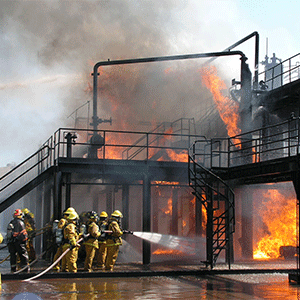
Hundreds of U.S. public water systems across the country have already been successful in this approach, securing settlements of more than $14 billion in total from the companies that have long benefited from manufacturing these harmful products. These settlements are the result of the Aqueous Film-Forming Foam (AFFF) Multidistrict Litigation (MDL), a consolidated set of lawsuits addressing PFAS contamination from firefighting foams and related products. Public water systems are receiving funds to cover testing, treatment and infrastructure upgrades needed to manage PFAS contamination without shifting the full financial burden to ratepayers.
Holding PFAS Manufacturers Accountable in New England
New England wastewater utilities are in a tight spot. Recognized for their ability to make a measurable difference in the presence of PFAS in soil, groundwater and surface water, state regulations are increasingly calling on them to shoulder cleanup costs. Without accompanying funding support, forward-thinking utilities and municipalities are positioning themselves for cost recovery through litigation, which puts the burden of responsibility squarely where it belongs: on the manufacturers that created the problem in the first place.
Schedule a time to connect with our team to discuss how these evolving PFAS wastewater regulations may impact your system.


Our attorneys are licensed in various jurisdictions, including California, Illinois, Massachusetts, Michigan, and New Hampshire. Please refer to individual attorney bios for specific licensure.
This web site is designed for general information only. The information presented at this site should not be construed to be formal legal advice nor the formation of a lawyer/client relationship.