

PFAS, CERCLA, and Wastewater: What’s Known vs. What’s Still Unclear
11.16.26
Key takeaways
- PFOA and PFOS are now CERCLA “hazardous substances,” which means that anyone who released or disposed of these chemicals, including wastewater systems, could be held liable for cleanup costs.
- CERCLA liability is strict, meaning passive receivers such as public utilities could be held liable for cleanup costs, despite only unintentionally releasing PFAS.
- H.R. 1267 (Water Systems PFAS Liability Protection Act), which would immunize utilities from PFAS liability, has been introduced and referred in the House but has not become law; utilities should plan for uncertainty.
- Legal challenges to the EPA’s designation of PFOA and PFOS as hazardous have been rejected, meaning those designations are here to say
Municipal utilities are increasingly being asked to manage—and pay for—PFAS (per- and polyfluoroalkyl substances) in wastewater effluent and biosolids, despite the fact that they neither produce nor profit from these chemicals. PFAS, also known as “forever chemicals,” are found in many industrial and consumer products. These items release PFAS into waste streams when people use or dispose of them down drains or into landfills. As a result, they often enter wastewater treatment systems through influent from homes, businesses, and landfill leachate.
The regulatory environment for PFAS in wastewater and biosolids is rapidly changing. States across the country are establishing their own requirements, from testing mandates to better understand the scope and sources of PFAS contamination in waste streams to limits and outright bans on the land application of biosolids generated by the wastewater treatment process. At the federal level, the U.S. Environmental Protection Agency (EPA) designated perfluorooctanoic acid (PFOA) and perfluorooctanesulfonic acid (PFOS), two legacy PFAS compounds, as “hazardous substances” under the Comprehensive Environmental Response, Compensation, and Liability Act (CERCLA) in 2024. This designation opens pathways for litigation seeking cleanup and cost recovery tied to releases of PFOA and PFOS, even from passive receivers who did not intentionally release these chemicals into the environment. To avoid placing this burden on public utilities and their ratepayers, EPA announced a discretion policy that would focus its enforcement efforts on significant contributors to contamination, such as PFAS manufacturers. However, this policy is non-binding and does not protect utilities from liability against third parties, who remain free to sue utilities under CERCLA.
Under the current administration, EPA has affirmed its intention to retain the previous administration’s hazardous substance designation of PFOS and PFOA. Without a guaranteed liability exemption, passive receivers like wastewater treatment plant operates remain at risk of getting sued for releasing PFAS.
What is CERCLA, and how does the hazardous substance designation impact utilities?
CERCLA was enacted in 1980 to facilitate the cleanup of the nation’s most contaminated sites and to create a funding and enforcement structure for responding to releases of hazardous substances. In practice, CERCLA gives EPA the authority to:
- Investigate contamination and evaluate whether response actions are necessary;
- Order responsible parties to perform cleanup work (or conduct the cleanup itself and then seek reimbursement); and
- Recover response costs from potentially responsible parties (PRPs).
CERCLA liability is often described as strict (parties can be held liable even if their role in contamination was unintentional), retroactive (past contaminant releases can create current liability), and joint and several (a party can be held responsible for the entire cleanup cost, even if they only caused part of it).
Although EPA recognizes that wastewater utilities should not be targeted as PFAS polluters, as they only handle contaminants as an incidental and unavoidable consequence of providing essential public services, this does not protect them from all risk. Sometimes, when PRPs are identified in CERLCA enforcement proceedings, they respond by filing cost-recovery or contribution lawsuits against other parties they allege were responsible for contaminant releases impacting the same site (e.g. a landfill where biosolids have been disposed of, along with other contaminated wastes) . In effect, these lawsuits could shift costs from the PRPs onto utilities .
Will Congress provide a CERCLA liability exemption for passive receivers?
In response to concerns from water and wastewater industry leaders, local governments, and industry associations, federal legislation has been introduced that would grant narrow CERCLA liability exemptions to passive receivers. The Water Systems PFAS Liability Protection Act (H.R. 1267), sponsored by Representative Marie Gluesenkamp Perez from Washington with bipartisan support, was introduced in February 2025 but stalled in committee.
While the proposed legislation has not proceeded to the House floor for a vote, advocates on both sides of the debate have continued urging lawmakers to take action. On one side, water, wastewater, and municipal associations, along with other members of Congress across party lines, strongly advocate for the passage of a narrow liability exemption for passive receivers of contaminants. They argue that such an exemption would help maintain CERCLA’s intended “polluter pays” effect by protecting public utilities and ratepayers from financial risk. They worry that passive receivers could become the subject of third-party lawsuits, which, due to CERCLA’s joint and several liability, could seek to make them pay for the entire cleanup, even if they only inadvertently released a small amount of PFAS. These advocates further point out that, for small utilities with limited resources, the cost of defending against such litigation may match or exceed the cost of ultimately cleaning up the contamination.
On the other hand, several environmental groups and some members of Congress have expressed concern that liability exemptions may weaken CERCLA and limit affected communities’ ability to hold polluters and genuine bad actors accountable for costs. They argue that this could force local residents to bear the financial burden, both in increased utility rates due to contamination and through related impacts such as medical costs.
The most important consideration is that, until there is a binding statutory change, utility leaders should remain prepared to manage PFAS-related risk through operational, financial, and legal strategies. In other words, CERCLA liability protection is not guaranteed, and utilities should plan based on the legal landscape that exists today—not on an exemption that may or may not be granted in the future.
How can public wastewater utilities and municipalities shift the financial responsibility back to PFAS manufacturers?
As long as there is no legislative exemption from CERCLA liability for passive receivers, wastewater utilities will remain at risk of PFAS cleanup liability and the financial strain of defending themselves in third-party lawsuits. As a proactive strategy to manage this risk, many wastewater systems are positioning themselves for cost recovery through litigation against PFAS manufacturers, which can put the burden of responsibility back on those who created the problem.
Wastewater treatment facilities do not produce or use PFAS. Rather, these facilities receive PFAS through waste streams when local businesses and residents unknowingly useand discard products that contain these chemicals. Wastewater systems and their ratepayers should not be responsible for the cost of removing and destroying PFAS. Instead, the large manufacturing companies that produce and profit from the PFAS in these products can, and should, be held accountable through litigation.
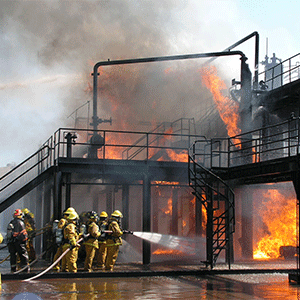
To streamline the legal process for the many utilities using this strategy, an Aqueous Film-Forming Foam multi-district litigation (AFFF MDL), named for the PFAS-containing firefighting foam , has been formed. The AFFF MDL combines lawsuits filed over PFAS (from AFFF and other products) in courts all over the country into a single proceeding. While the AFFF MDL has already led to settlements totaling up to $14 billion for drinking water providers, claims for PFAS impacts to wastewater will continue to be litigated and are expected to be resolved by future settlements or litigation. That means there is still time for municipalities impacted by wastewater and/or soil contamination to explore potential claims that may lead to funding opportunities.
Ensure that your utility is protected
In a rapidly evolving regulatory environment, the only certainty for utility leaders is that it pays to prepare. EPA’s designation of PFOA and PFOS as hazardous substances under CERCLA creates new financial and legal risks, and the absence (to date) of a statutory exemption means utilities cannot assume they will be protected from liability simply because they did not introduce PFAS into the environment.
By exploring options to seek funding through litigation against polluting manufacturers, wastewater utilities can build resilience and a safer, more affordable future for their communities. To help you learn more about the funding opportunities and legal options that may be available to your utility, our PFAS legal team is offering free office hours to discuss your unique situation. Click here to contact our team.



Our attorneys are licensed in various jurisdictions, including California, Illinois, Massachusetts, Michigan, and New Hampshire. Please refer to individual attorney bios for specific licensure.
This web site is designed for general information only. The information presented at this site should not be construed to be formal legal advice nor the formation of a lawyer/client relationship.